By Leslie Hufstetler
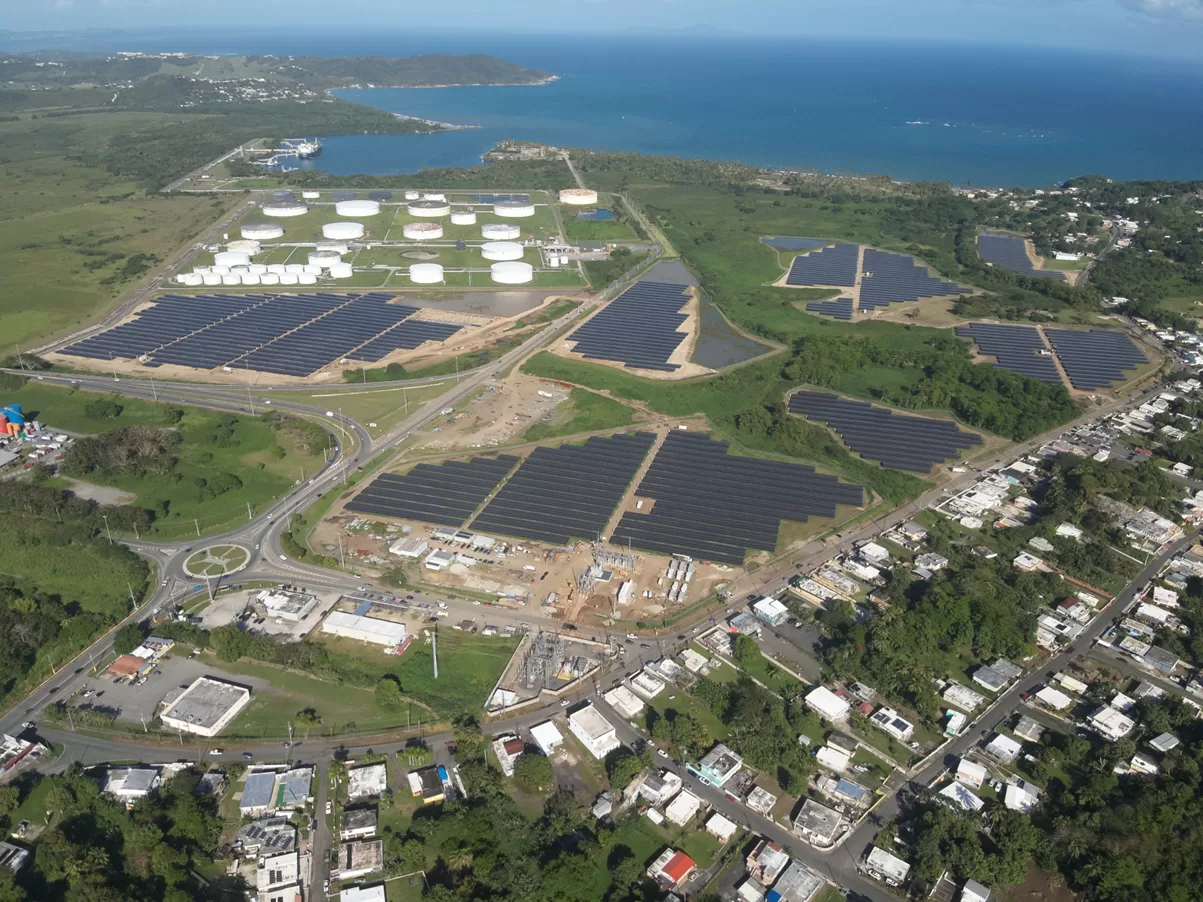
This month, the Yabucoa Solar Park entered its testing phase. For many, this may seem like just another step in the development of an energy project. For us, it represents the result of more than 13 years of work in one of the most complex electrical environments in the United States.
When we began developing this project in 2009, the conversation around renewable energy in Puerto Rico was very different. There were legitimate concerns about how to integrate intermittent generation into an isolated grid. At the time, stability was the priority.
Since then, the system has evolved. Technical standards have strengthened, regulation has advanced, and accumulated experience has enabled the design of projects with greater levels of rigor. But the path has not been linear.
Yabucoa has gone through the bankruptcy of the Puerto Rico Electric Power Authority, regulatory changes, earthquakes, and transitions in system operations. At each stage, it was necessary to adjust, reassess, and move forward. That persistence is an essential part of what allows the project to reach this phase today.
The testing phase is not a symbolic act. It is the moment when the asset begins to demonstrate its performance within Puerto Rico’s electrical system. The process involves progressive energization, synchronization with the grid, and a gradual ramp-up until reaching its nominal capacity of 32 megawatts. Each step requires technical validation and close coordination with the system operator.
Integrating renewable generation in Puerto Rico requires more than installing capacity. It requires ensuring compatibility with a grid that is still in the process of modernization. It requires technical discipline. And it requires coordination among multiple stakeholders.
Yabucoa’s location is strategic. It is an area historically vulnerable to weather events and with limited nearby generation. Incorporating solar generation alongside storage strengthens regional resilience and reduces dependence on thermal units with higher operating costs.
The project incorporates 550-watt modules, optimizing energy density compared to previous generations, and integrates storage that extends the operating window and adds flexibility to the system. The structural design accounts for Puerto Rico’s realities: hurricane exposure, seismic activity, and flood-prone areas. Developing energy infrastructure here requires standards aligned with that reality.
But none of this happens in isolation.
One of the greatest challenges in Puerto Rico is not only technical design. It is ensuring that all components of the system move forward in parallel. Financial structuring, regulatory permitting, interconnection, construction, and community engagement must align for a project to reach operation.
Yabucoa has required the work of internal teams and the coordination of financial institutions, system operators, regulatory agencies, contractors, technical advisors, and local communities. The testing phase reflects that alignment.
The achievement is collective. Engineers, environmental specialists, construction teams, legal advisors, and financial institutions have sustained this project for more than a decade. As CEO, I represent the organization, but it is the teams who execute.
For Infinigen, this milestone consolidates our presence in Puerto Rico. It reinforces our integration of storage, strengthens our design standards, and confirms our ability to execute critical infrastructure under demanding conditions.
Credibility in this market is not built through announcements. It is built through projects that advance, secure financing, and are properly integrated into the system.
The start of testing at Yabucoa Solar Park is not the end of a process. It is confirmation that, even in a complex environment, it is possible to develop and integrate energy infrastructure that strengthens the grid.
This is how resilience is built. Project by project.